Which fabric cutter to choose in 2026? – Tutorial
#Tutorial
13/01/2026
4 min
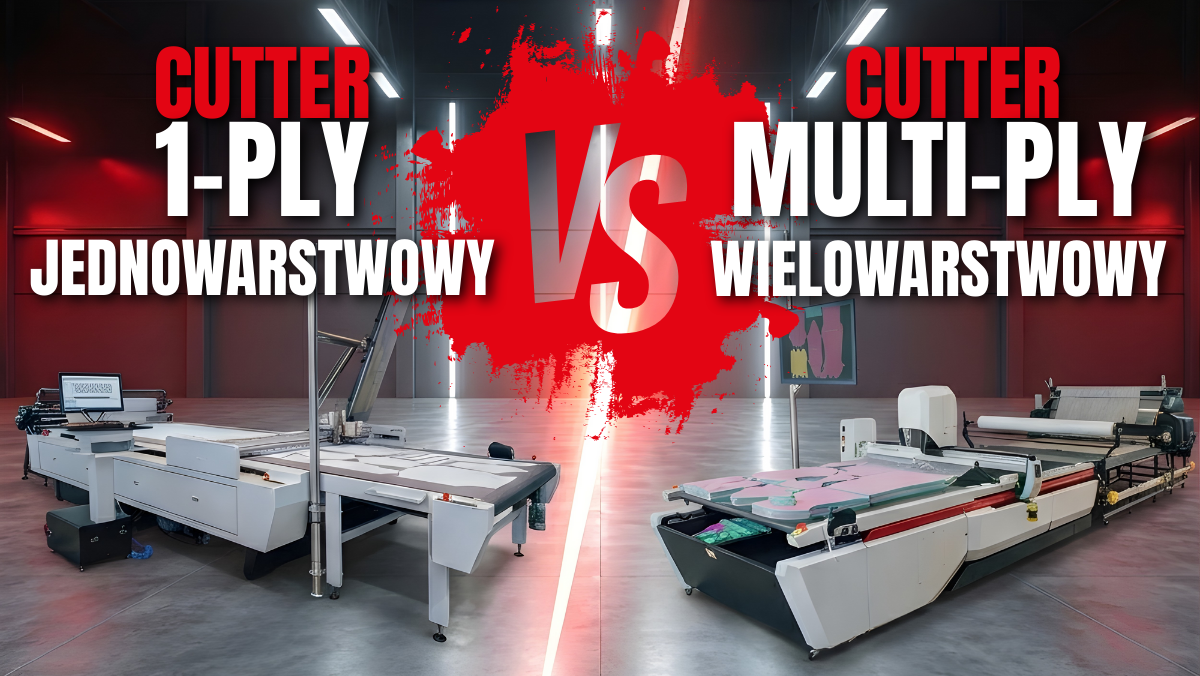
“Which cutter will be better – single-layer or multi-layer?”
And almost always, the answer is the same:
It depends.
This is neither an evasion nor a marketing ploy. It is a technical fact.
In cutting technology, there is no universal solution because every cutting room operates under different conditions: with different materials, at a different production pace, and with different organizational constraints.
This article opens the “It Depends” series – a sequence of publications in which we answer the questions that most frequently arise during sales meetings and pre-implementation analyses. No oversimplifications, no slogans – just figures and practice.
Single-layer vs. Multi-layer – a difference that transforms the entire cutting room
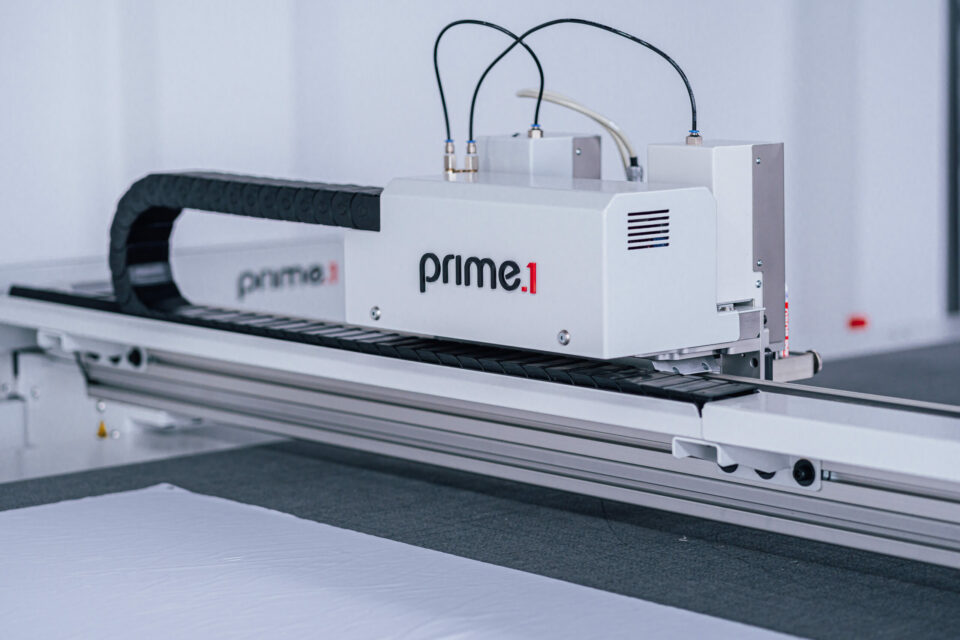
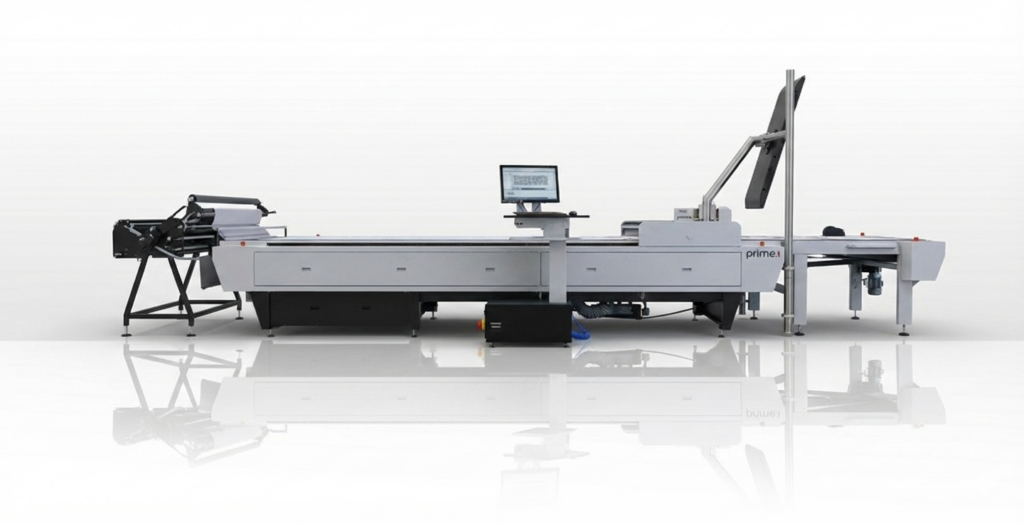
Choosing a cutting technology is not a decision about the machine alone.
It is a decision about:
- cutting room throughput,
- the number of operators,
- operating costs,
- production flexibility in the coming years.
Single-layer cutter – speed and flexibility
Single-layer technology excels where variability and rapid response are key. Typical applications:
- short and medium series,
- made-to-order production,
- frequent changes of materials and patterns,
- materials with prints, repeats (reports), or grain direction,
- prototyping and R&D departments.
Technological features:
- cutting directly from the roll,
- no need for additional consumables (film and paper),
- high cutting speed.
Efficiency:
- approximately 400–600 linear meters (lm) per shift,
- however, actual efficiency depends on the number of pattern changes and the complexity of the elements.
A single-layer cutter often “earns its keep” not only through speed but through the lack of material waste and short production setup times.
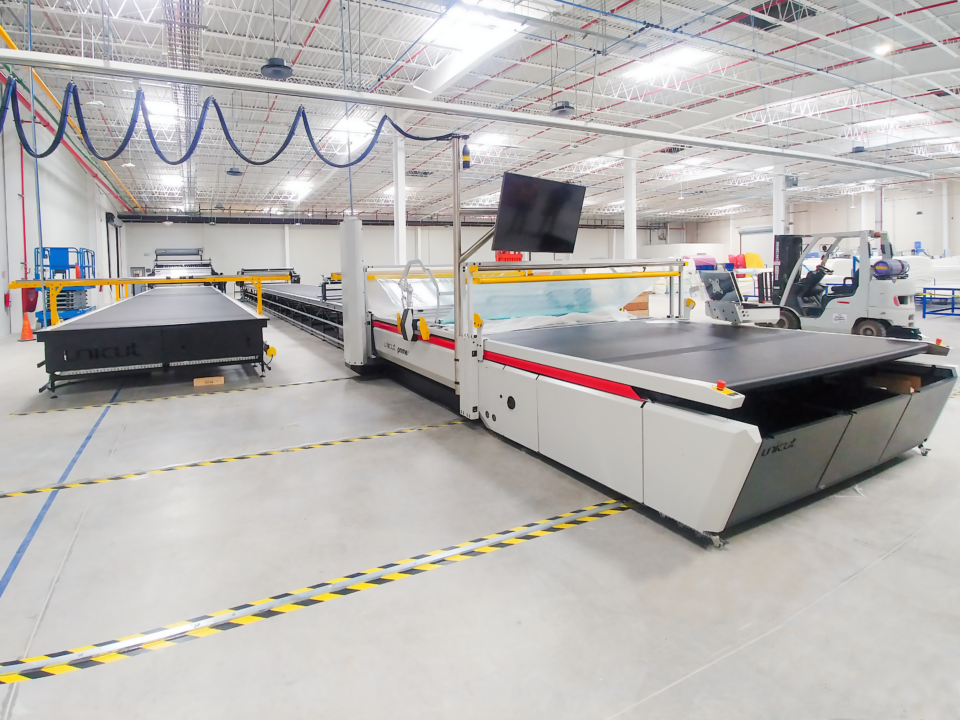
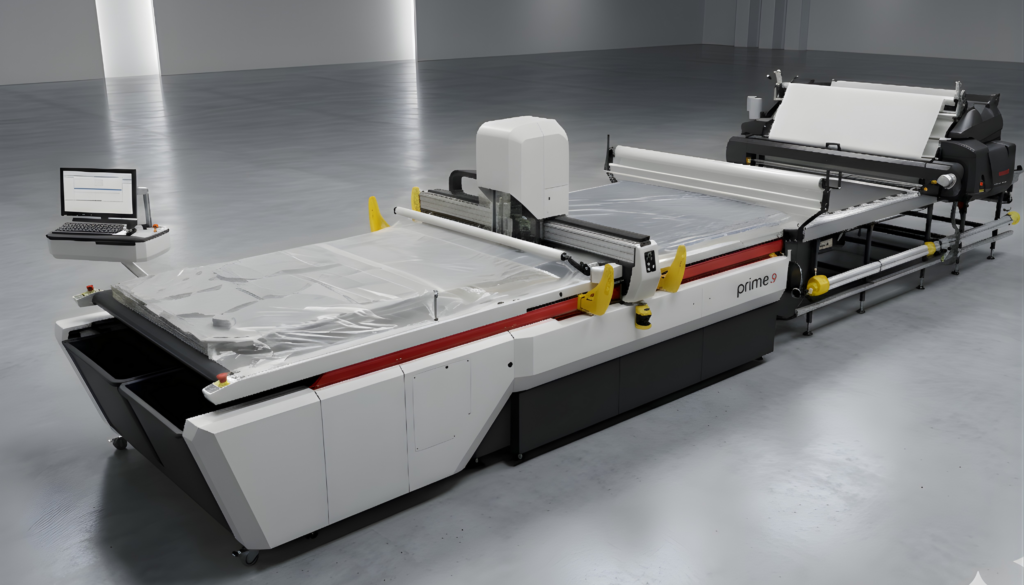
Multi-layer cutter – throughput and low unit cost
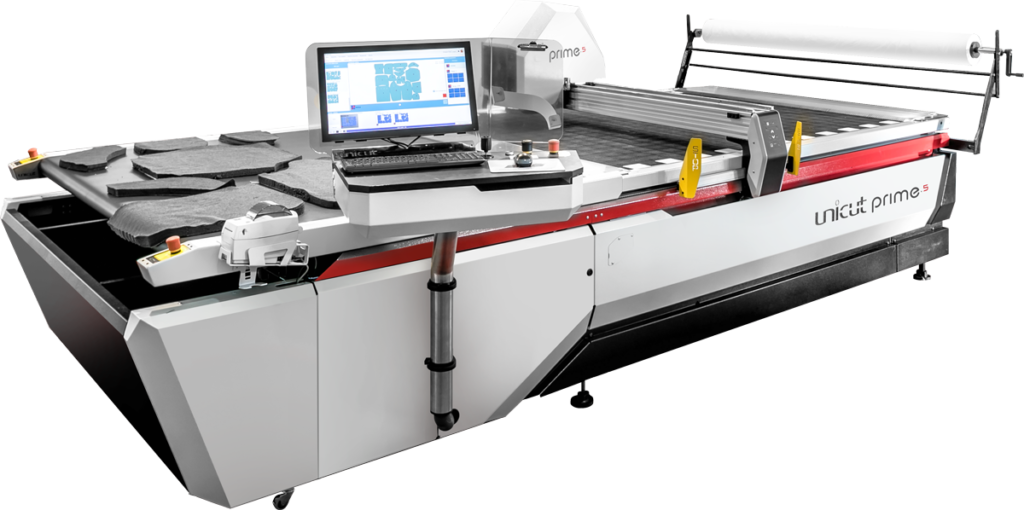
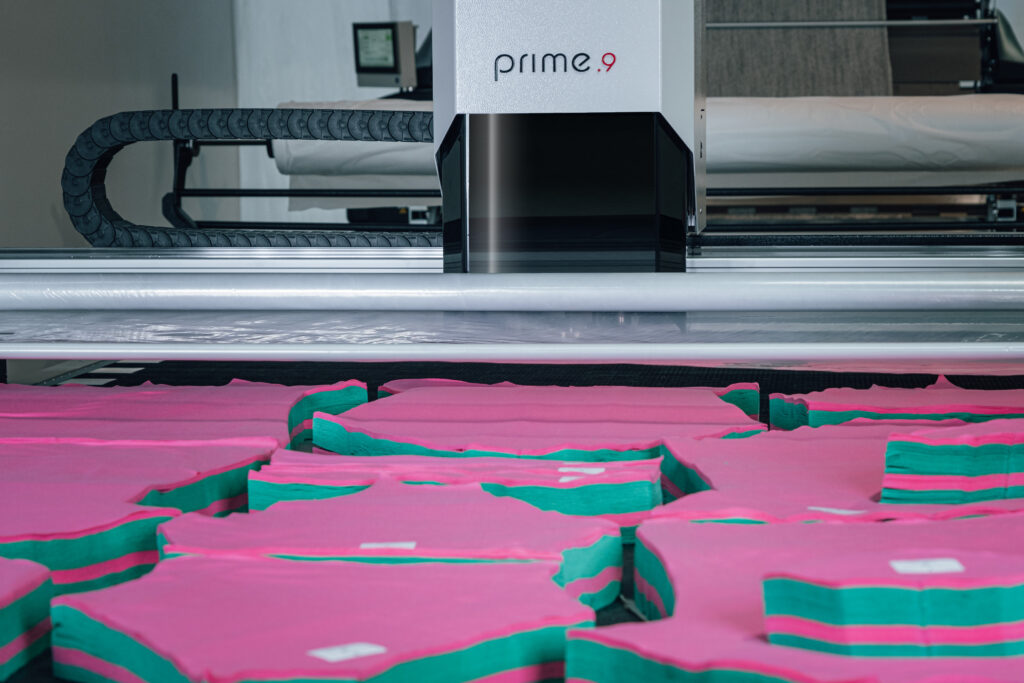
Multi-layer technology was designed for continuous and repetitive work. Typical applications:
- large production series,
- repetitive models,
- mass production (apparel, automotive, technical textiles, bedding),
- cutting high-loft materials like wadding/batting.
Technological features:
- cutting multiple layers in a single cycle,
- the necessity of spreading and using sealing film (sometimes additionally paper as the first layer),
- high process stability during long runs.
Efficiency:
- 1,000–1,500 linear meters (lm) per shift,
- and under the right conditions, even significantly more.
However, it should be noted that:
- film, paper, and ply preparation generate constant operating costs,
- with frequent model changes, the machine may operate below its potential.
What about “intermediate” solutions?
An increasingly common compromise includes:
- multi-layer cutters with limited ply height (e.g., 6–8 layers),
- hybrid configurations combining features of both technologies.
Such solutions:
- occupy a footprint similar to a single-layer machine,
- allow working with anywhere from 1 to several layers,
- offer efficiency of up to 2,000 lm/shift while maintaining flexibility.
In practice, they are chosen by companies that:
- currently produce short series,
- but plan for volume growth within the next 2–3 years.
Industry is not enough – the actual process is what matters
A frequent mistake when choosing technology is thinking in terms of the industry category. In reality, two companies from the same industry may need completely different solutions.
Example – upholstered furniture:
- Company A: a few models, large series – a multi-layer cutter operates optimally.
- Company B: custom/individual production, various fabrics – several single-layer cutters provide higher throughput for the entire department.
The primary material is not everything
In profitability analysis, the following are often overlooked:
- wadding/batting,
- felt,
- non-woven polypropylene (wigofil),
- foams,
- technical layers.
When summed up, it often turns out that:
- the total yardage to be cut justifies multi-layer technology,
- even if the primary material itself would not suggest such a choice.
Why does the answer always sound like “it depends”?
Because a correct decision requires answering several key questions:
- What are the actual daily and weekly volumes?
- How often does the model or material change?
- How many layers are we actually cutting (including accessories/interlining)?
- How much floor space is available in the hall?
- Is flexibility more important, or maximum throughput/efficiency?
Only a comparison of these data points allows for selecting the right technology, rather than just a machine.
Contact us, and we will help you select the right cutting technology for your needs.